
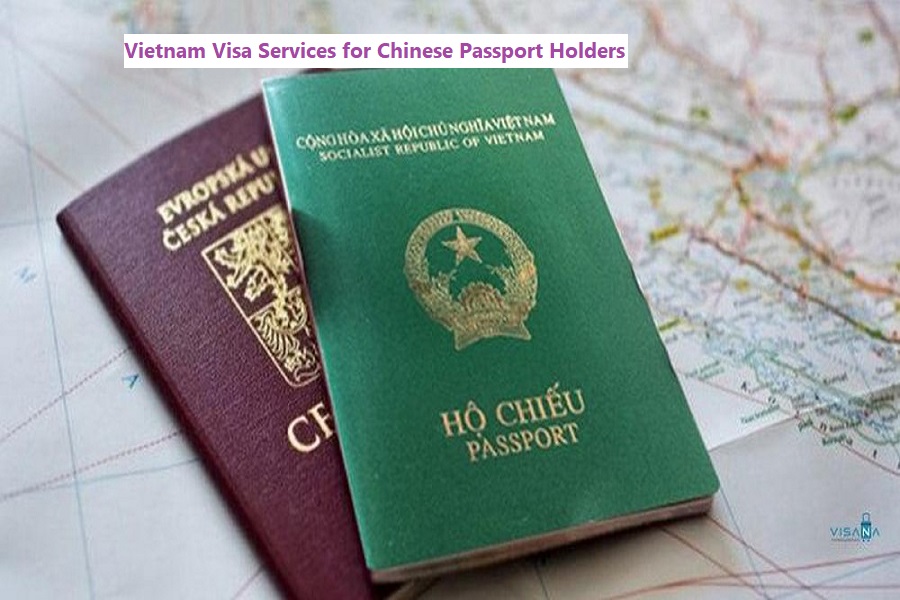
If you’re a Chinese citizen planning to travel to Vietnam, it’s essential to understand the visa requirements and application process. This blog provides comprehensive information about the types of visas available, including tourist and business visas, along with necessary documents and tips to navigate potential challenges. Learn about visa exemptions, how to apply online for an e-visa, and best practices for ensuring a smooth travel experience. Whether you’re visiting for leisure or business, we aim to equip you with all the essential knowledge for a successful trip to Vietnam. Discover how to prepare accurately for your visa application and avoid common pitfalls to make your journey seamless.
Understanding the Visa Requirement for Chinese Citizens Traveling to Vietnam
Chinese passport holders intending to travel to Vietnam must adhere to specific visa requirements that are essential for a smooth entry. In general, there are two main categories of visas available for Chinese citizens: the tourist visa and the business visa. Each of these visa types serves different travel purposes and involves distinct application processes.
The tourist visa is primarily aimed at individuals visiting Vietnam for leisure activities. Typically, this visa is granted for durations of 30 days, with the possibility of extension under certain conditions. On the other hand, the business visa vietnam is intended for those traveling for work-related purposes, such as meetings, contractual negotiations, or other professional engagements. Vietnamese authorities offer business visas in varying durations, including single and multiple entry options, which are tailored to suit varying travel needs.
It is important to note that some Chinese citizens may qualify for a visa exemption based on specific circumstances. Vietnam has established various bilateral agreements with certain regions, allowing visa-free access for short stays. However, these exemptions are not universally applicable and are limited to particular individuals and specific lengths of stay. Therefore, Chinese travelers should verify their eligibility for the visa exemption prior to planning their trip.
When applying for a visa, Chinese passport holders need to prepare several key documents. These typically include a valid passport with a minimum validity of six months, a completed visa application form, and a passport-sized photograph. It is also advisable for applicants to provide proof of sufficient funds and a travel itinerary showing accommodation and return arrangements. Understanding these requirements ensures a well-prepared entry process into Vietnam, thus facilitating an enjoyable travel experience.
Different Types of Vietnam Visas Available for Chinese Passport Holders
For Chinese passport holders wishing to visit Vietnam, understanding the various types of visas available is essential for ensuring compliance with immigration regulations. Vietnamese authorities offer several visa categories tailored to meet different travel purposes and durations.
Short-term visa vietnam online are commonly sought by travelers planning brief visits, typically for tourism or business purposes. The most widely used visa for Chinese visitors is the tourist visa, which generally allows stays of up to 30 days. This visa is ideal for those exploring Vietnam’s stunning landscapes, rich culture, and historical sites. It can be obtained through various means, including online applications or through Vietnamese embassies.
In contrast, business visas cater specifically to individuals traveling for work-related engagements. These visas often come in two forms: one that allows short stays and another meant for longer assignments. A business visa can typically be valid for up to 90 days, and is essential for those attending meetings, conferences, or establishing business connections in Vietnam.
Additionally, for travelers intending to stay in Vietnam beyond their initial visa validity, understanding the regulations concerning visa extensions is crucial. Extensions can usually be arranged through local immigration offices, provided that all necessary documentation and fees are submitted promptly. This option can significantly benefit those whose business commitments or travel plans change unexpectedly.
Overall, Chinese travelers must evaluate their specific needs and duration of stay to determine the most suitable visa type for their trip. By choosing the appropriate visa category, visitors can ensure a smooth and compliant experience while enjoying all that Vietnam has to offer.
The Visa Application Process for Chinese Citizens
The visa application process for Chinese citizens wishing to visit Vietnam involves several essential steps to ensure a smooth experience. Firstly, applicants need to determine the type of visa they require, such as tourist, business, or transit visa. Each category has specific eligibility criteria and application procedures. Once the visa type is clarified, the applicant can gather the necessary documents, which typically include a completed application form, a valid passport with a minimum six-month validity, recent passport-sized photographs, and any additional documents required based on the visa category.
Chinese citizens may apply for a visa through the Vietnamese Embassy or Consulate in their country. Alternatively, there is the option of applying online for an e-visa, which has become increasingly popular due to its convenience. The e-visa process allows travelers to complete their application electronically, saving time and effort. To apply for an e-visa, applicants need to visit the official government website, fill in the required information, upload the necessary documents, and pay the associated visa fee. The e-visa typically has a processing time of approximately three working days.
It is essential to be aware of the visa fees associated with the application, as these can vary depending on the type of visa and the point of application. Additionally, the processing times can vary, so planning ahead is critical to avoid any delays. Successful applicants will receive their visa either via email for e-visas or as a stamp in their passport at the embassy or consulate. To enhance the likelihood of acceptance, applicants should double-check their applications for accuracy and completeness before submission. Seeking assistance from professional visa services can also provide valuable guidance throughout the application process.
See also this article: Recommended Vietnam visa application service for Indian citizens
Common Challenges and Tips for Securing a Vietnam Visa for Chinese Citizens
Obtaining a visa to Vietnam can present several challenges for Chinese passport holders. One of the most common issues is the misunderstanding of the visa application process. Many applicants are not fully aware of the specific requirements and documentation needed, which can lead to application rejections. It is imperative for applicants to thoroughly research the type of visa they need—be it a tourist, business, or student visa—and ensure they meet all requirements set forth by Vietnamese authorities.
Another frequent hurdle includes the misinterpretation of visa policies. Visa regulations can frequently change, and applicants often find themselves relying on outdated information from unofficial sources. To avoid falling into this trap, it is advisable to consult the official website of the Vietnamese embassy or consulate. Additionally, seeking help from reputable visa service providers can greatly reduce the risk of misinformation.
The application process itself can sometimes become confusing due to language barriers or complex paperwork. Chinese citizens sometimes face difficulties in filling out application forms correctly or understanding important terms. To minimize these risks, applicants are encouraged to utilize translation services or visa agencies with bilingual staff, ensuring all forms are accurately completed to avoid delays.
Timely submission of all required documents is crucial. Delays in gathering paperwork can result in missed deadlines, leading to expedited visa denial. It is beneficial to create a checklist of necessary documents and deadlines to stay organized throughout the process. Finally, it is wise to apply for a visa well in advance of intended travel dates, allowing ample time to address any unforeseen issues that may arise.
Liên hệ đơn vị
VisaVietnamOnline
- Address: 1728 Big Canyon Trail, Carrollton, TX 75007, US
- Phone: +1(972)-666-0676
- WhatsApp:(+84)968 18 77 18
- Email:[email protected]
- Website: visavietnamonline.org