
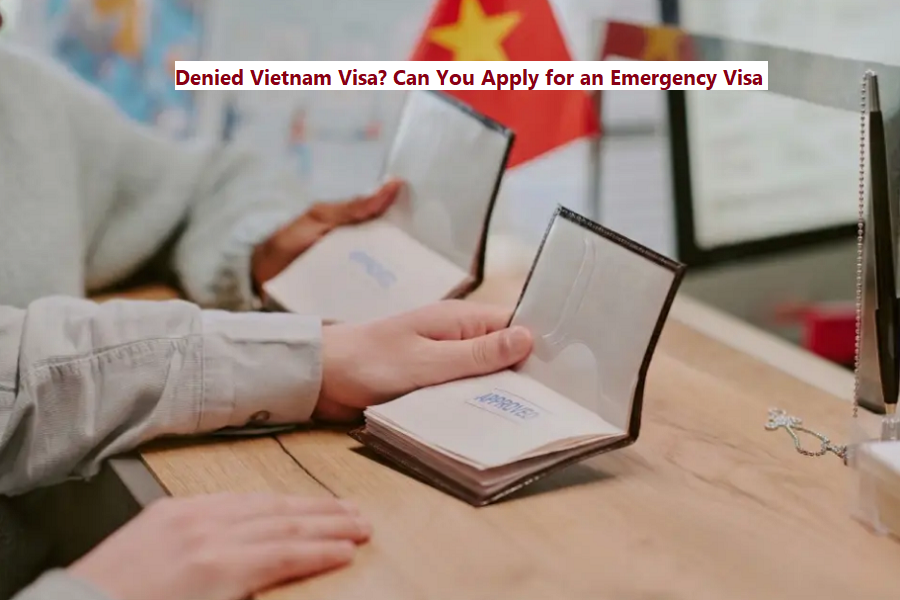
Understanding the complexities of Vietnam visa applications is crucial for prospective travelers. This post explores common reasons for visa denials, such as incomplete documentation and eligibility issues, to help applicants better navigate their journey. Additionally, we discuss the emergency visa process for urgent travel needs, outlining necessary steps and documentation for a smoother experience. For those facing visa rejections, we provide valuable alternatives and suggestions, including travel to other Southeast Asian destinations while resolving visa issues. Stay informed about evolving regulations and utilize expert advice to increase your chances of a successful visa application to Vietnam. Prepare effectively for your travel plans and avoid common pitfalls!
Understanding Visa Denials for Vietnam
Applying for a Emergency visa vietnam is often the first step for travelers planning their journey to this beautiful Southeast Asian country. However, not all applications are successful, and understanding the reasons for visa denials is crucial for future applicants. Common reasons that lead to the rejection of a Vietnam visa include incomplete documentation, issues related to one’s criminal record, or ineligibility for the specific type of visa being applied for. Potential applicants should be aware of these common pitfalls to enhance their chances of approval.
One of the most frequent causes of denial is the submission of incomplete or incorrect documents. Every visa type has specific requirements, and failing to provide the necessary documents or submitting them in the wrong format can result in immediate rejection. Therefore, it is essential for applicants to thoroughly review the list of required materials and double-check their submissions before sending them off.
Moreover, issues concerning an applicant’s criminal record can also influence the outcome of a visa application. Certain offenses may render individuals ineligible for a visa, depending on the nature and severity of the crime. Visa officers assess these records during the application process; thus, prior awareness can help address any potential issues beforehand.
Additionally, applicants must ensure they are eligible for the visa type they are applying for. For instance, specific visas cater to tourists while others are meant for business purposes. Applying for a visa that does not match one’s travel intentions can lead to denial. Knowing one’s eligibility and understanding the implications of a visa denial on travel plans is vital.
In summary, by recognizing these common reasons for Vietnam visa denials, prospective travelers can be better equipped to prepare their applications effectively, thereby minimizing the chances of rejection in future attempts.
article see more : Is it possible to apply for an emergency Vietnam visa on weekends or holidays?
What is an Emergency Visa and Who Can Apply?
An emergency visa for Vietnam is a special type of visa designed for individuals who require urgent travel to the country due to unforeseen circumstances. Unlike standard visa applications, which typically involve more straightforward procedures and timelines, an emergency visa can be processed on short notice to facilitate immediate travel. This visa is essential for those facing situations that cannot accommodate the regular processing times of standard visas.
Eligibility criteria for applying for an emergency visa include individuals involved in medical emergencies, urgent business commitments, or other critical situations that necessitate unforeseen travel. For instance, if a traveler needs to visit a family member who has been hospitalized or if a business associate must attend a last-minute meeting, an emergency visa can be a viable solution. It is important to document the nature of the emergency adequately, as this evidence will support the urgency of the application.
Several types of emergencies qualify for an expedited visa process, including severe health issues, accidents, or the need to deal with legal matters that require immediate attention. In these instances, applicants should provide relevant documentation, such as medical reports or legal notices, to demonstrate the urgency of their travel plans. This ensures a faster and smoother visa issuance process.
Additionally, it is crucial to distinguish between an emergency visa and a regular visa application. A regular visa involves a more systematic approach, often requiring longer processing times. Emergency visas, on the other hand, are tailored for those in pressing situations and involve expedited reviews by governmental authorities. Understanding this distinction can significantly impact one’s travel planning when faced with sudden emergencies. Travelers should stay informed about the current government policies regarding urgent travel to ensure compliance and streamline the process.
Steps to Apply for an Emergency Visa to Vietnam
When faced with the need for an emergency visa to Vietnam, it is essential to follow a structured approach to ensure a successful application. The first step involves gathering all necessary documents before beginning the application process. Applicants typically require a valid passport, a completed visa application form, a recent passport-sized photograph, and any documents that justify the emergency, such as medical reports or an invitation letter. Having these files ready will facilitate a smoother submission process.
The next stage is to determine the most suitable method for submitting your application. Applicants can usually choose between online submissions or applying directly at the nearest Vietnamese embassy or consulate. If opting for in-person submissions, ensure to check the working hours of the embassy, as they may differ. Additionally, it is advisable to contact the embassy in advance to confirm the exact requirements and any specific forms that must be completed.
After submission, it is crucial to understand the processing times, which may vary depending on the urgency of the request and the specific embassy’s workload. In many cases, emergency visas can be processed within a few hours to a couple of days. Keep in mind that some embassies may offer expedited processing for an additional fee.
To further streamline the application process, applicants should maintain open communication with the Vietnamese embassy or consulate. Should any issues arise or additional information be required, being readily available can prevent unnecessary delays. Finally, ensuring accurate information and proper documentation will help mitigate the risk of application rejection. By following these steps, the process of obtaining an emergency visa to Vietnam can become much more manageable and efficient.
Alternatives and Tips After a Visa Denial
Experiencing a visa denial can be disheartening, especially for travelers who have set their sights on Vietnam. However, there are alternatives and steps you can take to enhance your chances of obtaining an emergency visa or exploring other options. Firstly, consider identifying and addressing the reasons behind your initial visa denial. Common reasons include incomplete documentation, discrepancies in your application, or not meeting the eligibility requirements. By systematically correcting these issues, you can improve your application for a future visa.
If you are unable to secure a Vietnam visa in the desired timeframe, you may want to contemplate alternate destinations in Southeast Asia. Countries such as Thailand, Cambodia, or Laos offer rich cultural experiences and stunning landscapes without the complexities of a visa application. This approach can help satisfy your travel itch while you resolve your Vietnam visa issues.
When preparing for a future visa application, it is beneficial to stay informed about the evolving visa regulations for Vietnam. Regularly check official government resources or reliable travel advisory websites to obtain the latest updates regarding entry requirements, visa types, and processing times. This proactive approach will enable you to gather the necessary documentation and submit a complete application, thus minimizing the chances of another denial.
Additionally, seek advice from travel forums or consult with a visa agency during your application process. Their expertise can provide valuable insights and guide you through potential pitfalls. Having a thorough understanding of the requirements and following through with diligence will ultimately lead to a more favorable outcome, boosting your prospects for a successful visa application to Vietnam in the future.
Contact the unit
VisaOnlineVietnam
- Address: 1728 Big Canyon Trail, Carrollton, TX 75007, US
- Phone: +1(972)-666-0676
- WhatsApp:(+84)968 18 77 18
- Email:[email protected]
- Website: visaonlinevietnam.com